
How Many Types of Backlinks Are There in SEO? Complete Beginner's Guide
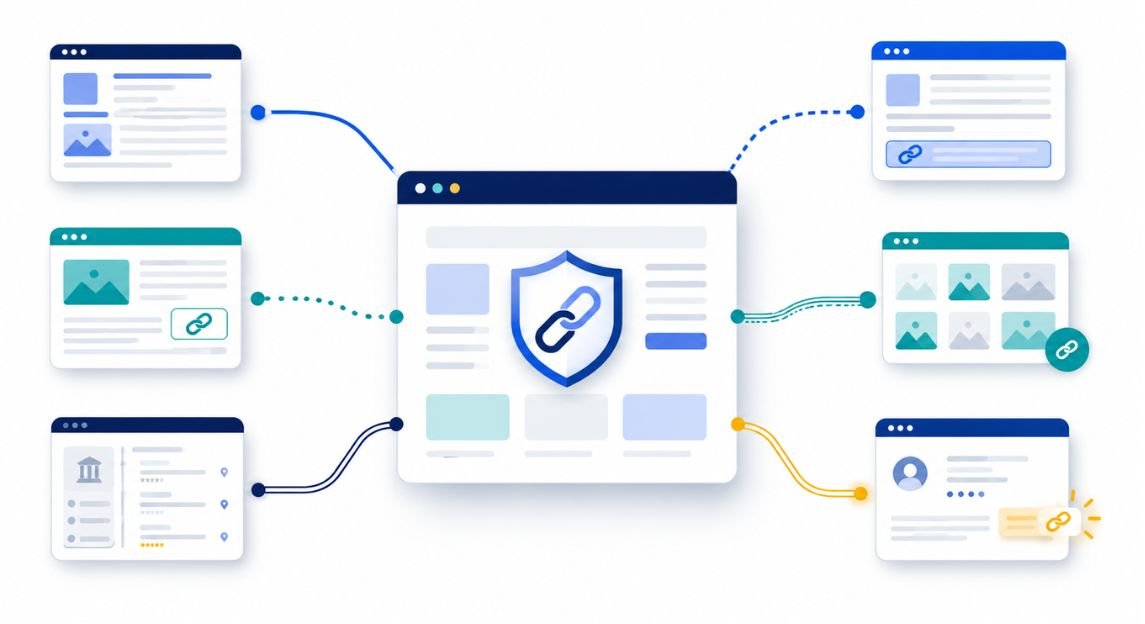
Backlinks are one of the most important elements of SEO. They help search engines understand the credibility, relevance, and authority of a website. However, not every backlink works in the same way, and understanding the different types of backlinks in SEO can help you create a stronger and safer link-building strategy.
If you are new to SEO, you may wonder what are backlinks, why they matter, and how many types of backlinks exist.
Not Getting Enough Leads from Your Website?
What Are Backlinks?
Before exploring the different types of backlinks in SEO, let’s understand the basics.
A backlink is a hyperlink from one website to another. For example, if another website mentions Digi Milestone and links to its website, that link is considered a backlink.
Search engines can use backlinks as signals when evaluating a website’s authority and relevance. However, quality, relevance, and context matter more than simply collecting a large number of links.
How Many Types of Backlinks Are There?
There isn’t one universally fixed number because backlinks can be classified based on attributes, placement, source, and how they are acquired. However, beginners should understand the following major types of backlinks in SEO:
- Dofollow Backlinks
- Nofollow Backlinks
- Contextual Backlinks
- Header Backlinks
- Branded Backlinks
- Naked URL Backlinks
- Natural Backlinks
- Editorial Backlinks
- HARO Backlinks
- Link Insertion Backlinks
- Business Listing Backlinks
- UGC Backlinks
- PBN Backlinks
- Image Backlinks
Let’s look at each form of backlink in detail.
1. Dofollow Backlinks
Dofollow backlinks are standard links that allow search engine crawlers to discover the linked page. When they come from relevant, authoritative websites, they can contribute to the linked site’s authority and SEO performance.
What They Do
Dofollow links can pass ranking signals between pages and help search engines understand relationships between websites.
Best for: Authority building, rankings, and referral traffic.
2. Nofollow Backlinks
Nofollow backlinks contain the rel=”nofollow” attribute, which tells search engines that the website does not necessarily endorse or pass ranking credit through the link.
Although they may not provide the same ranking signals as traditional links, they can still generate referral traffic, visibility, and brand awareness.
What They Do
Nofollow links can diversify your backlink profile and help users discover your website.
Best for: Referral traffic, brand visibility, and a natural backlink profile.
3. Contextual Backlinks
Contextual backlinks appear naturally within the main content of a webpage, such as an article, blog post, or educational resource.
Because they are surrounded by relevant content, contextual links can provide useful information to readers while helping search engines understand the topic and relationship between the linked pages.
What They Do
Relevant contextual backlinks can attract qualified referral traffic and strengthen topical relevance.
Best for: Content marketing, topical authority, and organic visibility.
4. Header Backlinks
Header backlinks are links placed within the header area of a website, often through navigation menus or site-wide elements.
Because these links may appear across multiple pages, they should be used thoughtfully and naturally.
What They Do
Header links can help users and search engines navigate important sections of a website.
Best for: Website navigation and accessibility.
5. Branded Backlinks
Branded backlinks use a company, website, or brand name as the anchor text.
For example, a website may link to Digi Milestone using “Digi Milestone” as the clickable text.
What They Do
Branded links support brand recognition while helping create a diverse and natural anchor-text profile.
Best for: Brand awareness, trust, and natural link profiles.
6. Naked URL Backlinks
A naked URL backlink uses the actual website address as the anchor text rather than a keyword or brand phrase.
For example:
https://www.example.com
What They Do
Naked URL links can increase referral traffic and create a more diverse backlink profile.
Best for: Brand visibility and natural-looking link profiles.
7. Natural Backlinks
Natural backlinks are earned without directly asking another website to place a link. They can happen when people find useful content and choose to reference it.
For example, a business may publish an original research report, and other websites may naturally cite it.
What They Do
Natural backlinks can be valuable because they represent genuine references from other websites.
Best for: Long-term authority and organic link growth.
8. Editorial Backlinks
Editorial backlinks are links included naturally within articles, news stories, research pieces, or other editorial content.
These links can be especially valuable when they come from reputable and relevant publications.
What They Do
Editorial links can strengthen credibility, increase referral traffic, and support your website’s authority.
Best for: Reputation building and high-quality SEO.
9. HARO Backlinks
HARO, or Help a Reporter Out, was traditionally a platform where journalists requested expert opinions for articles. By providing useful expert insights, businesses could potentially earn mentions and backlinks from publications.
Today, similar journalist-request platforms and expert-source networks can be used for this type of link acquisition.
What They Do
Expert contributions can generate valuable media mentions, referral traffic, and brand exposure.
Best for: Digital PR, authority building, and media visibility.
10. Link Insertion Backlinks
Link insertions involve adding a relevant link to an existing article or webpage where the link naturally supports the content.
For example, an established article about SEO could reference a relevant Digi Milestone resource where it provides additional value to readers.
What They Do
Relevant link insertions can help websites earn contextual mentions from already-published content.
Best for: Contextual SEO and referral traffic.
11. Business Listing Backlinks
Business listing backlinks are links obtained through business directories, local listings, citation websites, and relevant industry directories.
These listings can include information such as your business name, website, location, and contact details.
What They Do
Business listings can support local SEO, brand visibility, and discovery.
Best for: Local businesses and location-based searches.
Pro Tip: Keep your business name, address, and contact information consistent across relevant listings.
12. UGC Backlinks
UGC stands for User-Generated Content. These backlinks can appear in forums, community discussions, comments, Q&A websites, and other platforms where users create content.
Links marked with rel=”ugc” indicate that they were created by users.
What They Do
UGC links can help generate referral traffic and brand awareness when they are placed in genuinely useful discussions.
Best for: Community engagement and referral traffic.
Pro Tip: Avoid posting links solely for SEO. Contribute useful information first.
13. PBN Backlinks
PBN stands for Private Blog Network. PBN links are created through networks of websites controlled by the same owner and are generally designed to manipulate search rankings.
This is considered a risky and manipulative SEO practice.
What They Do
PBNs may attempt to artificially increase a site’s authority, but they can expose websites to search-engine spam actions and long-term SEO risks.
Best for: Avoiding as part of a sustainable SEO strategy.
Pro Tip: Focus on earning relevant, legitimate backlinks instead of manipulating search rankings with private networks.
14. Image Backlinks
Image backlinks occur when another website uses an image, infographic, chart, or other visual asset from your website and links back to the original source.
Original visual content can make it easier for others to reference and cite your website.
What They Do
Image backlinks can generate referral traffic, brand exposure, and additional opportunities for people to discover your website.
Best for: Infographics, original graphics, research visuals, and visual content marketing.
Which Types of Backlinks Are Best for SEO?
There is no single backlink type that is always the best. The strongest links are generally relevant, trustworthy, naturally placed, and useful to readers.
For most SEO strategies, prioritize:
- Editorial backlinks
- Contextual backlinks
- Natural backlinks
- Relevant business listing backlinks
- High-quality branded backlinks
- Useful image backlinks
- Relevant UGC links
A backlink from a highly relevant website can be more valuable than hundreds of unrelated or low-quality links.
Quality Matters More Than Quantity
When considering how many types of backlinks you should build, don’t focus only on the number of links.
A strong backlink profile should include links from different relevant sources, with varied anchor text and natural placement.
Avoid building large numbers of low-quality links simply to increase backlink counts. Instead, create valuable resources that other websites genuinely want to reference.
How Can Digi Milestone Help With Backlink Building?
At Digi Milestone, we understand that effective link building is about more than getting links. It requires a strategy focused on relevance, authority, quality content, and sustainable SEO growth.
Our SEO services can help businesses develop a backlink strategy that supports stronger online visibility and long-term organic growth.
Whether you need content-led link building, outreach, digital PR, or broader SEO support, the right strategy can help you build a healthier backlink profile.
Final Thoughts
Understanding how many types of backlinks exist gives beginners a better foundation for developing an effective SEO strategy.
If you’re still wondering what are backlinks and how they fit into your SEO strategy, start by analyzing your existing backlink profile and identifying opportunities to earn higher-quality links.
For more information about SEO and digital marketing, explore relevant resources from trusted industry websites. You can also learn more about search engine optimization through Google’s official Search Central resources.
Grow Your Business Online
Frequently Asked Questions
What are the different types of backlinks in SEO?
The major types include dofollow, nofollow, contextual, editorial, natural, branded, naked URL, business listing, UGC, image, link insertion, HARO, header, and PBN backlinks.
Which type of backlink is best for SEO?
High-quality contextual, editorial, and natural backlinks from relevant and authoritative websites are generally among the most valuable for SEO.
Why are backlinks important for SEO?
Backlinks can help search engines discover content, understand website relationships, and evaluate authority. Quality backlinks can also generate valuable referral traffic.
How can I get high-quality backlinks?
Create useful content, publish original research, develop shareable resources, build relationships with relevant publishers, participate in legitimate digital PR, and promote valuable content to websites that may find it useful.
What is the difference between dofollow and nofollow backlinks?
Dofollow links are standard links that can contribute ranking signals, while nofollow links include an attribute indicating that search engines should not necessarily associate the linked site with the linking page for ranking purposes.
Can low-quality backlinks harm my website?
Yes. Spammy or manipulative link-building practices can create SEO risks. It is better to focus on relevant, legitimate, and naturally acquired backlinks rather than purchasing or creating large quantities of poor-quality links.
How do I check the backlinks of my website?
How many backlinks do I need to rank on Google?
There is no fixed number. Ranking depends on many factors, including content quality, search intent, competition, topical relevance, website authority, technical SEO, and backlink quality. A smaller number of strong, relevant backlinks can be more valuable than a large number of low-quality links.
Start the CONVERSATION
Every meaningful project begins with a simple conversation — let’s start yours.