
Difference Between Internal Link and External Link in SEO
Links are one of the most important parts of search engine optimization (SEO). They help search engines understand your website and make it easier for visitors to find useful information. A good linking strategy improves website navigation, supports content discovery, and helps search engines crawl your pages more efficiently.
If you are new to SEO, it is important to understand the difference between internal link and external link. Although both are hyperlinks, they serve different purposes. Knowing how to use each type correctly can improve your website’s performance and create a better experience for your visitors.
In this guide, you will learn what internal and external links are, why they matter, and how they can support your SEO strategy.
Not Getting Enough Leads from Your Website?
What Are Internal Links?
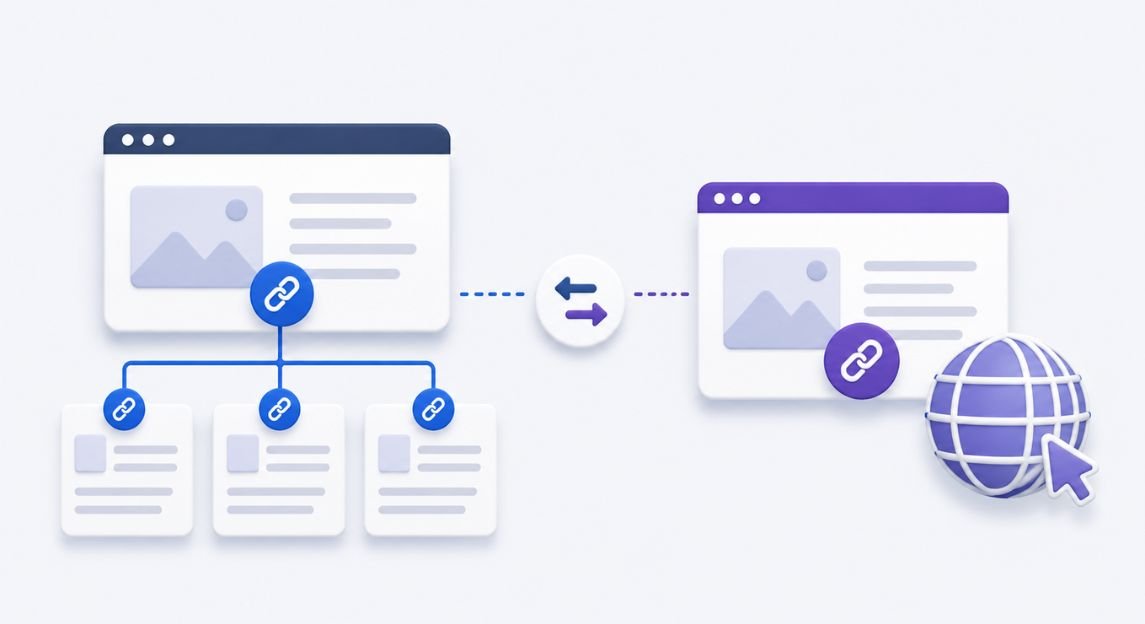
Internal links are links that connect one page of your website to another page on the same domain. They help users discover more content without leaving your website.
For example, if your SEO services page links to your keyword research blog, that is an internal link.
Some common uses include:
- Connecting blog articles
- Linking service pages
- Directing visitors to contact pages
- Linking FAQs to related resources
- Helping users explore your website
A well-planned website structure allows visitors to move easily between related pages, improving engagement and user experience.
What Are External Links?
External links point from your website to another website. These links are commonly used when referencing trusted sources or providing readers with additional information.
For example, linking to Google’s Search Central documentation or another reliable industry website is considered an external link.
External links help by:
- Supporting information with trusted sources
- Increasing content credibility
- Giving readers additional resources
- Improving the overall quality of your content
Choosing reliable websites is important because search engines value trustworthy references.
Difference Between Internal Link and External Link
The difference between internal links and external links is where the hyperlink takes the user.
Internal links keep users on your website by connecting related pages. External links direct users to another website when additional information or references are needed.
Understanding this difference helps website owners organize content more effectively and improve navigation for both visitors and search engines.
Why Internal Links Matter
Internal links are an essential part of on-page SEO. They help search engines discover pages and understand how your content is connected.
Some benefits include:
- Better website navigation
- Improved page indexing
- Easier content discovery
- Increased page authority
- More page views
- Lower bounce rates
When visitors can easily find related information, they are more likely to stay on your website longer.
Using internal links and external links correctly creates a website that is both user-friendly and SEO-friendly.
Why External Links Matter
External links provide value by supporting your content with reliable information.
Benefits include:
- Building trust
- Improving credibility
- Supporting important facts
- Helping readers learn more
- Showing search engines that your content is well researched
However, always link to high-quality websites with a good reputation.
How Both Types of Links Work Together
A successful SEO strategy does not rely on only one type of link. Instead, it combines both to create valuable content.
Internal links help visitors continue exploring your website, while external links provide trusted references when needed.
Using both types naturally improves user experience and helps search engines better understand your content.
Best Practices for Internal Linking
To get the best results, follow these tips:
Link Related Pages
Only connect pages that are relevant to one another.
Use Clear Anchor Text
The clickable text should describe the destination page instead of using generic phrases.
Update Older Content
Whenever you publish new articles, add links from older content where appropriate.
Avoid Overlinking
Too many links on a single page can confuse readers and reduce the value of each link.
Learning the difference between the two helps you create a linking strategy that supports both SEO and user experience.
Best Practices for External Linking
External links should always improve the quality of your content. Instead of linking to random websites, choose reliable and authoritative sources that provide useful information.
Follow these best practices:
- Link only to trusted websites.
- Make sure the linked page is relevant.
- Check links regularly to avoid broken pages.
- Avoid linking to spam or low-quality websites.
- Add external links only when they provide value to readers.
Using quality references helps build trust with both users and search engines.
Common Linking Mistakes to Avoid
Many website owners make linking mistakes that reduce the effectiveness of their SEO efforts. Avoid these common problems:
- Using broken links
- Linking to unrelated pages
- Adding too many links on one page
- Using unclear anchor text like “Click Here”
- Linking to unreliable websites
- Forgetting to update old links
A clean linking structure makes your website easier to navigate and improves the overall user experience.
How Links Help Your SEO Strategy
Links help search engines discover pages and understand how your website is organized. They also help distribute authority across your website and guide visitors to useful content.
A good linking strategy can:
- Improve website navigation
- Increase page views
- Help search engines crawl your website
- Improve user engagement
- Support better search rankings
Understanding the difference between internal link and external link allows businesses to build a stronger SEO foundation and create content that is more valuable for visitors.
How Digi Milestone Can Help
Creating an effective SEO strategy takes experience and proper planning. Digi Milestone provides professional SEO services that help businesses improve their online visibility through ethical and proven optimization techniques.
The team offers services such as:
- Keyword research
- On-page SEO
- Technical SEO
- Content optimization
- Website audits
- Local SEO
- Link-building strategies
- Performance monitoring
One important part of every SEO campaign is understanding the difference between both types of links and using each one strategically. Digi Milestone helps businesses build a logical website structure, improve navigation, and create SEO-friendly content that supports long-term growth.
Whether you own a small business, an eCommerce website, or a large corporate site, Digi Milestone provides customized SEO solutions designed to improve rankings and attract more organic traffic.
Conclusion
Internal links help users navigate your website and allow search engines to understand your content structure. External links improve credibility by connecting readers with trusted information from authoritative sources.
A successful SEO strategy uses both types of links carefully and naturally. By following best practices, avoiding common mistakes, and maintaining a well-organized website, you can improve user experience and strengthen your search engine rankings.
If you are looking for expert SEO support, Digi Milestone offers professional SEO services that help businesses build stronger websites, improve search visibility, and achieve sustainable online growth.
Grow Your Business Online
Frequently Asked Questions
What is the difference between internal link and external link in SEO?
Internal links connect pages on the same website, while external links point to pages on another website.
Why are internal links important for SEO?
They help search engines crawl your website, improve navigation, and guide visitors to related content.
How do external links improve website credibility?
They support your content with reliable sources and help build trust with readers.
When should you use both types of links?
Use them naturally whenever they improve user experience and provide additional value.
Can linking strategies affect Google rankings?
Yes. A well-planned linking structure supports crawling, indexing, and overall SEO performance.
What are some examples of website links?
A link to another page on your website is an internal link, while a link to a trusted external website is an external link.
How many links should a page have?
There is no fixed number. Add links only where they are useful and relevant.
What are the best practices for link building within content?
Use descriptive anchor text, connect related pages, choose trusted external sources, and regularly check for broken links.
Start the CONVERSATION
Every meaningful project begins with a simple conversation — let’s start yours.