
What is On Page SEO? Complete Guide for Beginners?
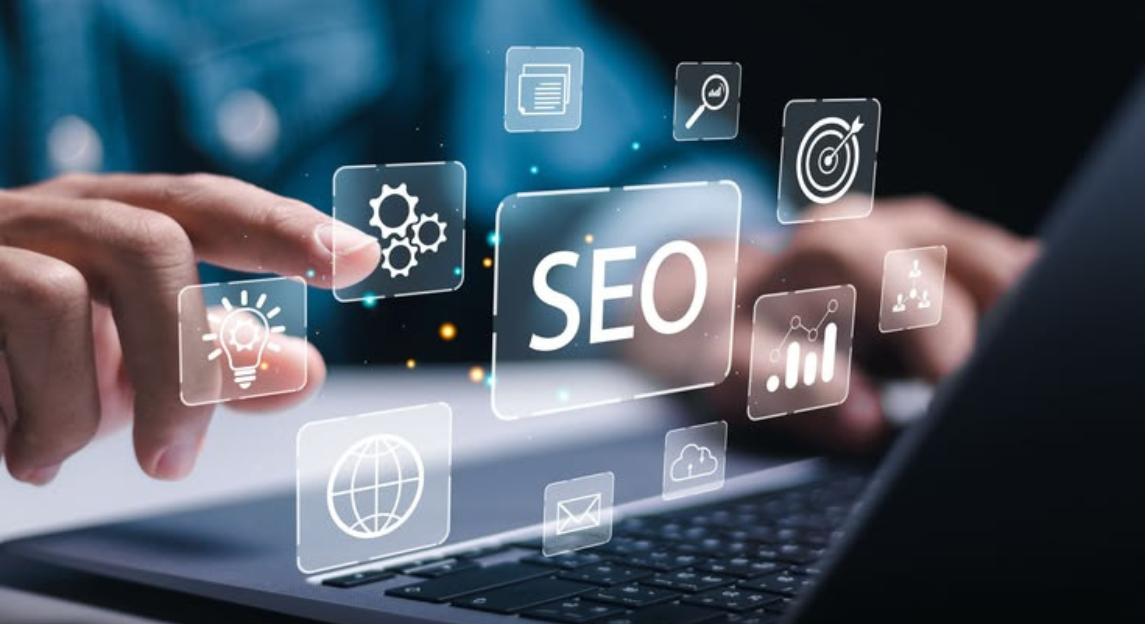
If you are new to digital marketing, you’ve probably heard the term what is on page SEO quite often. It is one of the most essential parts of search engine optimization that helps your website rank higher on Google and other search engines. In this beginner-friendly guide, we will explain what is on page SEO, how it works, and why it matters for your website’s success.
What is On Page SEO?
To understand what is on page SEO, you need to know that it refers to all the optimization techniques you apply directly on your website to improve its visibility in search engines. In simple terms, on page SEO means optimizing your content, HTML source code, and website structure so that search engines can easily understand your pages.
When we talk about on page SEO, we are focusing on elements like content quality, keywords, meta tags, headings, images, and internal links. Proper onpage optimization ensures that your website is both user-friendly and search engine-friendly.
What is On Page SEO and Why It Matters
Now that you know what is on page SEO, let’s understand why it is so important. Search engines like Google aim to provide users with the most relevant and high-quality results. Without proper on page SEO, your content may never reach your target audience.
Here’s why on page SEO means so much for your website:
- It improves your website’s visibility in search results
- Enhances user experience
- Helps search engines understand your content better
- Increases organic traffic
- Boosts conversions and engagement
In short, onpage optimization is the foundation of any successful SEO strategy.
Not Getting Enough Leads from Your Website?
Key Elements of On Page SEO
To fully understand what is on page SEO, you need to learn about its key components. These elements play a vital role in improving your website’s ranking.
1. Keyword Optimization
Keywords are the backbone of on page SEO. You should include your primary keyword naturally in the title, headings, and content. Avoid keyword stuffing, as it can harm your rankings.
2. High-Quality Content
Content is king when it comes to onpage optimization. Your content should be informative, engaging, and relevant to the user’s search intent.
3. Title Tags and Meta Descriptions
Title tags and meta descriptions are crucial parts of on page SEO means improving click-through rates. They should include your target keywords and clearly describe your content.
4. Header Tags (H1, H2, H3)
Using proper headings helps search engines understand the structure of your content. It also improves readability for users.
5. URL Structure
Clean and keyword-rich URLs are an important aspect of on page SEO. Keep them short and descriptive.
6. Internal Linking
Internal links help users navigate your website and allow search engines to crawl your pages more efficiently.
7. Image Optimization
Images should be optimized with alt text and proper file sizes. This is a key part of onpage optimization.
8. Mobile Friendliness
A mobile-friendly website is essential for modern on page SEO practices, as most users browse on smartphones.
What is On Page SEO Techniques You Should Know
Understanding what is on page SEO is incomplete without knowing the techniques involved. Here are some of the most effective strategies:
- Use relevant keywords naturally throughout your content
- Optimize title tags and meta descriptions
- Improve page loading speed
- Use schema markup for better visibility
- Create engaging and valuable content
- Optimize images and multimedia elements
- Ensure proper internal linking
- Focus on user experience
These techniques define how on page SEO means improving both technical and content aspects of your website.
Benefits of On Page SEO
There are several advantages of implementing on page SEO effectively:
- Better search engine rankings
- Increased organic traffic
- Improved user engagement
- Higher conversion rates
- Stronger website authority
When you understand what is on page SEO, you can use these benefits to grow your online presence.
Common Mistakes to Avoid in On Page SEO
Even if you know what is on page SEO, mistakes can still happen. Here are some common errors to avoid:
- Keyword stuffing
- Ignoring meta tags
- Poor quality content
- Slow website speed
- Not optimizing for mobile devices
- Missing internal links
Avoiding these mistakes will strengthen your onpage optimization strategy and improve your results.
How On Page SEO Improves Rankings
Many beginners ask how on page SEO means better rankings. The answer lies in how search engines evaluate your website.
When you apply proper on page SEO, search engines can:
- Understand your content better
- Identify relevant keywords
- Analyze user engagement
- Determine content quality
This is why learning what is on page SEO is crucial for long-term success in digital marketing.
Conclusion
By now, you should have a clear understanding of what is on page SEO and how it works. It is one of the most important aspects of SEO that directly impacts your website’s performance in search engines.
Whether you are a beginner or an experienced marketer, focusing on on page SEO and implementing proper onpage optimization techniques will help you achieve better rankings and more traffic. Remember, on page SEO means creating a website that is both user-friendly and optimized for search engines.
Grow Your Business Online
Frequently Asked Questions
What is On Page SEO in digital marketing?
On page SEO in digital marketing refers to optimizing individual web pages to improve their search engine rankings and attract organic traffic.
Why is On Page SEO important for website ranking?
It is important because it helps search engines understand your content and improves user experience, which directly affects rankings.
What are the key elements of On Page SEO?
Key elements include keyword optimization, content quality, meta tags, headings, internal linking, and image optimization.
How does On Page SEO improve search engine rankings?
It improves rankings by making your content more relevant, structured, and user-friendly, which search engines prioritize.
What are some common On Page SEO techniques?
Common techniques include keyword placement, meta tag optimization, improving page speed, using internal links, and creating high-quality content.
Start the CONVERSATION
Every meaningful project begins with a simple conversation — let’s start yours.